

The Centre has worked to support the resilience, the agility and impact of (I)CSOs, has changed from a disruptor to a convenor, a protected space and thought leader, galvanising intellectual and practical experiences to make them useful for leaders in the sector. And we were increasingly trying to create collective energy, which is so much needed in times when pressure mounts.
We have invested in innovation sharing. The first innovators forum during my time at the Centre was focusing on ‘Blockchain for good’ (which was followed by a Blockchain civil society summit at the Rockefeller Foundation in NYC). Does anyone remember the hype around this part of the digital revolution? Over the years, though, we kept the ambition for cutting-edge discussions on digital advancements, not least through our bi-monthly ‘Digital Dialogues’.
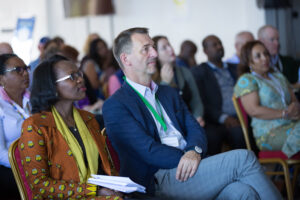
Global Perspectives 2019, Photo by Zala Films, Addis Ababa / Photographer Ashenafi Gudeta.
The Centre published several ‘Innovation Reports’, helpful ‘Sector Guides’ that came out of our Scanning the Horizon community, a number of resources on protecting civic space through the ‘SANE’ community (which we almost named ‘International Solidarity Action Network’ until the acronym showed up). We created the annual ‘Power Shift Lab’ to experiment and exchange on localisation strategies, which first focused on governance questions of Global Northern entities, and increasingly on perspectives from the Global South. The ‘Making voices heard and count’ initiative became an internationally renowned programme to bring the voices of marginalised groups to national and international policy levels. And the ‘Futures’ programme of the Centre brought about fascinating scenario analysis about the future of civic space and localisation.
Many of our publications were developed in the context of webinars, curated conversations and community meetings. Besides their tangible outputs, the meetings themselves carried invaluable opportunities to exchange with colleagues in our sector about common challenges and opportunities to work closer together.
The most prominent feature of the Centre’s work has been the ability to bring leaders in the sector together, in safe and confidential spaces where egos and logos were left outside the door, and where peer support, inspiration and deeper reflections were enabled. When I was a shareholder representative for CARE International, these spaces counted amongst the most valuable opportunities to develop my leadership skills and learn from others, and it was confirmed again and again how much leaders in the sectors appreciated (and needed) such spaces.
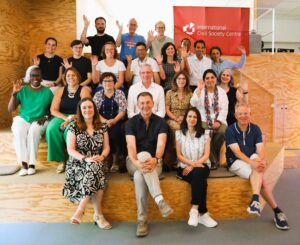
Leading Together 2025, all rights reserved.
It is from those encounters that much of the optimism and positive visions have developed in the Centre community. We have constantly found opportunities to advance the ambitions of civil society organisations collectively. Initiatives like the ‘Joining Forces’ group or the ‘Civic Charter’ were born in these leadership spaces. Our joint interest in advancing the SDGs manifested in the ‘Leave no one behind’ partnership. Leaders improved governance and legitimacy through the inspirations they got at ‘Vision Works’ or ‘Global Perspectives’ gatherings. And they found a space to regain sanity when pressures on their roles and responsibilities became overwhelming.