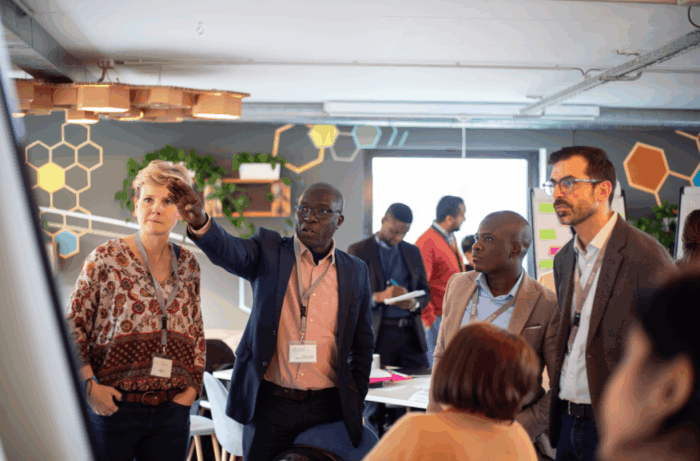
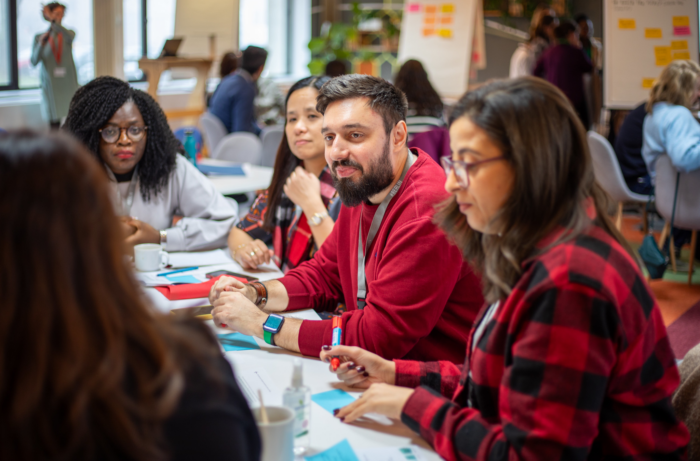
There is something exciting about watching people encounter foresight for the first time, seeing how new tools and ways of thinking can spark fresh possibilities, and hearing questions about how to turn those fresh ideas into concrete outcomes. It is even more striking to come back two years later and discover how those first sparks have been carried forward, adapted, and translated into real organisational practices.
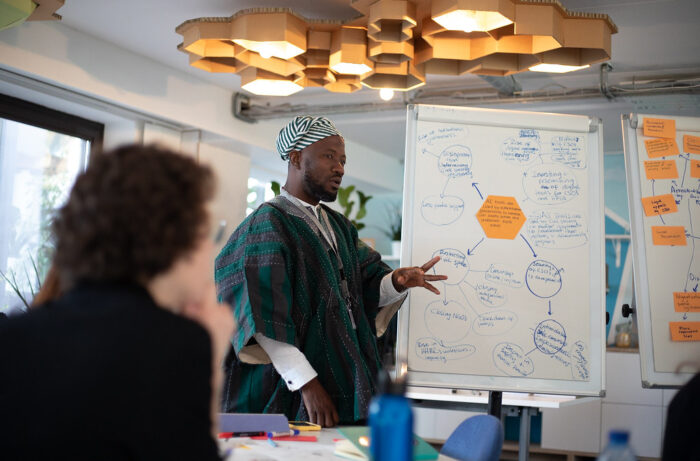
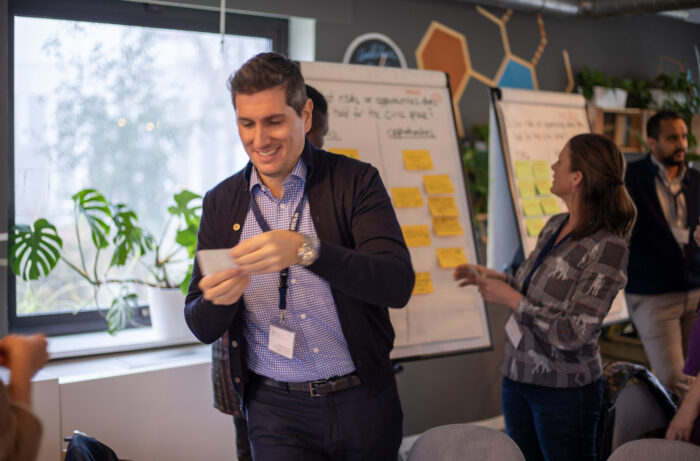
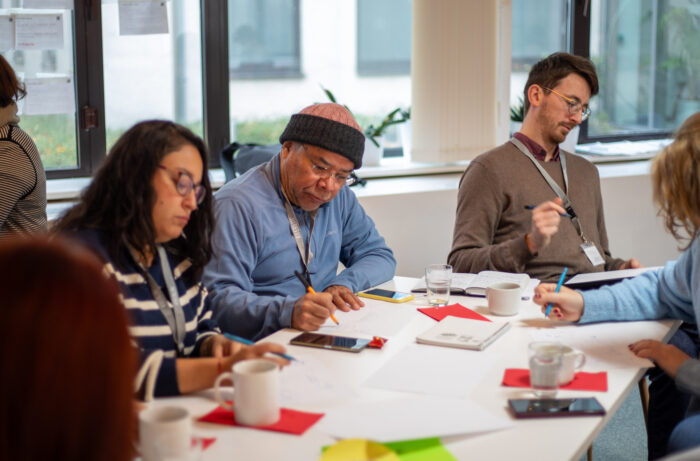
At the International Civic Forum (ICF) 2023 in Brussels, Belgium in November 2023, we tested methods that would later be consolidated into the Toolkit for tomorrow: Anticipating civil society futures. Most organisations came in with curiosity, intrigued by the idea of foresight, yet fairly new to it. Only a few had previously engaged with foresight in a structured way. That diversity of starting points would prove to be a strength, shaping how each organisation engaged with the methodology and adapted it to its own reality.
Following the ICF, participants took their learnings back to their organisations, and once the toolkit was released in June 2024, some began experimenting with these methods in their own contexts. The Centre supported several of these organisations as they tested and applied foresight in practice.
Five case studies emerged from this experimentation period, spanning an international civil society organisation (the World YMCA), a national civil society platform (the Uganda National NGO Forum in East Africa), a regional hub (WACSI in West Africa), and two national coalitions (UnidOSC in Mexico and RACI in Argentina). Together, these organisations reflect the diversity of civil society: large and small, global and local, North and South. By capturing and sharing their journeys, the case studies open these learnings to the wider civil society sector. In sharing these case studies, we hope to inspire other organisations to begin their own foresight experiments.
What emerged from these stories is not a single way of ‘doing foresight,’ but a set of pathways shaped by each organisation’s context, needs, and ambitions:
WACSI
West Africa Civil Society Institute (WACSI), a Ghana-based regional capacity-building hub, integrated foresight into its existing workshops with civil society organisations instead of creating a new programme. This strategic approach deepened discussions on themes like funding, sustainability, and governance.
RACI
Argentine Network for International Cooperation (RACI), a regional platform based in Argentina, used foresight during the development of its 2025–2030 strategic plan. Through a year-long participatory process, it engaged stakeholders to explore uncertainty, possibilities, and future directions for civil society in Latin America and the Caribbean.
UnidOSC
UnidOSC, a Mexico-based collective of civil society organisations, academic institutions, and activists committed to protecting the civil society operating space, used foresight to create a shared language for coalition work in a quickly changing operating environment. For this diverse network of actors, foresight provided common ground to discuss challenges, explore possibilities, and strengthen collaboration.
Uganda National NGO Forum
The Uganda National NGO Forum, a membership-based national platform representing more than 600 NGOs in Uganda, turned to foresight to step back from immediate political pressures in the run-up to national elections. The process opened space for long-term reflection and strengthened collective preparedness, helping civil society actors anticipate risks, align strategies, and plan coordinated responses ahead of the 2026 elections.
World YMCA
The World YMCA, a global federation of over 120 National Movements, has embedded foresight as an ongoing process rather than a one-off activity. Used in small, practical ways, such as retreats, partnerships, and strategic dialogues. It fosters experimentation, adaptation, and shared ownership of the movement’s long-term direction.
Together, these experiences show that foresight is never a one-size-fits-all practice. Its value lies in how organisations make it their own – sometimes cautiously, sometimes boldly, but always in ways that resonate with their specific context. At the same time, a common thread runs through the case studies: Each organisation found in foresight not just a method, but a way to pause, reframe challenges, and more deliberately prepare for the future in a rapidly changing world. Across regions and organisational levels, these organisations share an ambition to continue embedding foresight into their strategies and daily practices.
Two years after the ICF, what began as a spark of curiosity has taken root in diverse and meaningful ways, reminding us that the true success of a tool lies not in its design but in the creativity and ownership of those who use it. The following case studies illustrate five organisations that have started to make foresight their own, each in different ways and with different lessons to share. Together, these case studies point to the future potential of a more future-ready civil society.